A tyre rarely fails without giving some sort of warning. The problem is that the early warning signs of tyre damage can be easy to miss during a rushed school run, commute, airport trip or delivery round. A quick look before you set off could prevent a roadside breakdown, a damaged wheel or a far more dangerous loss of control.
If something about your tyre looks, feels or sounds wrong, do not assume it will get you through one more journey. Damage can worsen quickly under the weight, heat and speed of normal driving. Here is what to look for and what to do next.
1. A bulge or bubble in the sidewall
A bulge in the sidewall is one of the clearest signs that a tyre needs replacing. It usually means the internal cords have been damaged, often after hitting a pothole, kerb or road debris. The outer rubber may still look intact, but the tyre’s structure is no longer sound.
Do not try to drive on a tyre with a sidewall bubble. It can fail suddenly, particularly at motorway speeds or when carrying passengers, tools or a loaded van. Pull over somewhere safe and arrange a replacement. A sidewall bulge is not a puncture repair job.
2. Cuts, splits and deep cracking
Small surface marks are not always an emergency, but deep cuts and splits deserve attention straight away. Look closely at the tread and sidewall, especially after clipping a kerb or driving through a badly broken section of road. If you can see fabric, cords or a deep opening in the rubber, the tyre should not stay in service.
Cracking is also common on tyres that are older, have spent long periods parked outside or run underinflated. Fine cracks around the sidewall or between tread blocks can be an early ageing issue. More pronounced cracking means the rubber is losing its ability to flex safely.
It depends on the depth and location of the damage, which is why a professional inspection is worthwhile. Cuts to the sidewall generally mean replacement, while a small, repairable puncture in the central tread area may be a different matter.
3. A tyre that keeps losing pressure
Needing to add air once in a while is normal. Needing to inflate the same tyre every few days is not. A slow puncture may be caused by a nail or screw, but it can also come from a leaking valve, corrosion around the wheel rim or damage where the tyre seals against the wheel.
Do not keep topping it up and carrying on for weeks. Driving with low pressure creates extra heat, reduces handling and wears the shoulders of the tyre quickly. On a van, it can also affect stability and increase wear across the rest of the vehicle.
Check pressure when the tyres are cold and use the vehicle manufacturer’s recommended settings, not the maximum pressure printed on the tyre sidewall. If the pressure drops again, have the tyre assessed before a longer journey.
4. A visible nail, screw or other object
Finding a screw in your tyre is frustrating, but removing it at the roadside can make the situation worse. The object may be slowing the air loss by partially sealing the hole. Take note of its position and arrange an inspection instead.
A puncture in the central part of the tread may be repairable if the tyre has not been driven flat or damaged internally. A puncture near the shoulder or sidewall is much less likely to be safe to repair. The tyre also needs enough legal, usable tread and no hidden structural damage.
If the tyre is already flat, avoid driving on it, even for a short distance to a garage. Running flat can crush and weaken the sidewall from inside, turning what might have been a straightforward repair into a replacement.
5. Vibration through the steering wheel or vehicle
A mild vibration can have several causes, including wheel balance, alignment, suspension wear or a problem with the road surface. But a new or worsening vibration may also be one of the warning signs of tyre damage, particularly if it appears after striking a pothole or kerb.
Check for a bulge, uneven tread, loose debris or a tyre that looks misshapen. A damaged belt inside the tyre can create a noticeable thump or vibration as the wheel turns. You may feel it through the steering wheel if it is at the front, or through the seat and floor if it is at the rear.
Do not diagnose a serious vibration by continuing to drive at higher speeds. Slow down, stop safely and inspect only if it is safe to do so. If there is visible damage or the vehicle feels unstable, call for help where you are.
6. Uneven or unusually fast tread wear
Tyres do not always wear evenly, but the pattern tells a story. Wear mainly on both outer edges often points to underinflation. Excessive wear down the middle can indicate overinflation. One shoulder wearing faster than the other may suggest wheel alignment or suspension issues.
Cupping or scalloped dips across the tread can be linked to worn suspension components, poor balancing or persistent underinflation. These patterns reduce grip and can make the vehicle noisier, especially in wet conditions.
Run your hand carefully over the tread when the vehicle is parked and the tyre is cool. It should feel reasonably even. If it feels stepped, wavy or badly worn in one area, book an inspection. Replacing the tyre without correcting the underlying cause can mean the new one wears out early too.
7. Tread that is too low or damaged
The legal minimum tread depth for car tyres in the UK is 1.6mm across the central three-quarters of the tread, around the full circumference. That is a legal limit, not a target to aim for. Wet-weather grip reduces before a tyre reaches it, particularly on busy roads where standing water and sudden braking are part of everyday driving.
Use the tread wear indicators built into the grooves as a quick guide, but ask for a proper measurement if you are unsure. Also look for chunks missing from the tread, exposed cords or tears caused by debris. A tyre can have legal tread depth and still be unsafe because of physical damage.
For fleet vans and drivers covering high mileage, regular checks matter even more. A tyre issue that takes one vehicle off the road can disrupt jobs, deliveries and customers within hours.
8. Pulling, poor grip or a change in handling
If your car or van suddenly pulls to one side, feels vague through bends or takes longer to settle after steering, do not put it down to normal road conditions. Check tyre pressures first, as one soft tyre can make the vehicle pull and handle unpredictably.
If pressures are correct, the cause could be tyre damage, uneven wear, alignment or a mechanical fault. The key point is that handling changes need investigating, not ignoring. This is especially true after a pothole impact, a kerb strike or an emergency stop.
What to do when you spot tyre damage
First, reduce speed and avoid harsh braking or sudden steering. Find a safe place to stop away from moving traffic. Switch on your hazard lights if needed, and never attempt a roadside inspection where it would put you at risk. On a motorway, follow the appropriate safety guidance and seek assistance rather than working beside live traffic.
Once you are safe, take a quick look for obvious cuts, bulges, a flat tyre or an embedded object. Do not touch a hot tyre or try to repair a damaged sidewall yourself. If you have a spare, it must be correctly inflated and suitable for use. Many modern vehicles have no spare at all, and locking wheel nuts can make a wheel change impossible without the key.
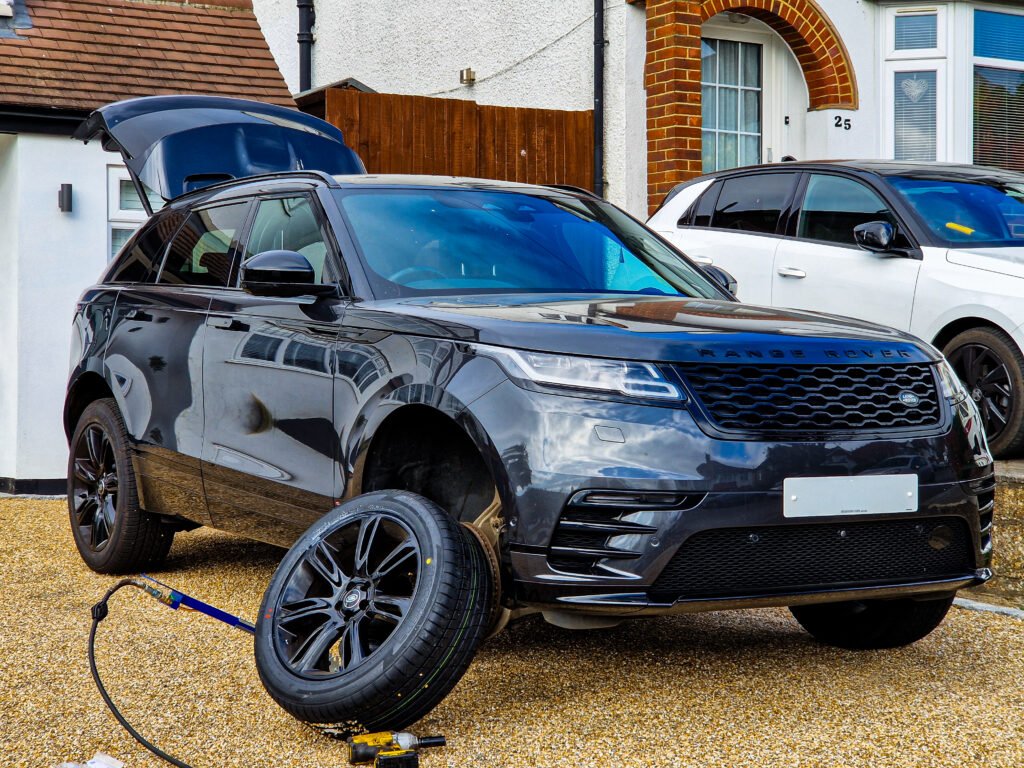
That is where a mobile tyre service removes the extra hassle. Prime Mobile Tyre Fitting brings trained technicians, replacement tyres and repair equipment to your home, workplace or roadside location, day or night. The tyre can be inspected properly, repaired where it is safe and permitted, or replaced on the spot so you can get back on the road.
A tyre does a hard job on every mile, so give it a quick check before the damage becomes an emergency. If you are in doubt, stop driving and get a professional opinion where you are.