
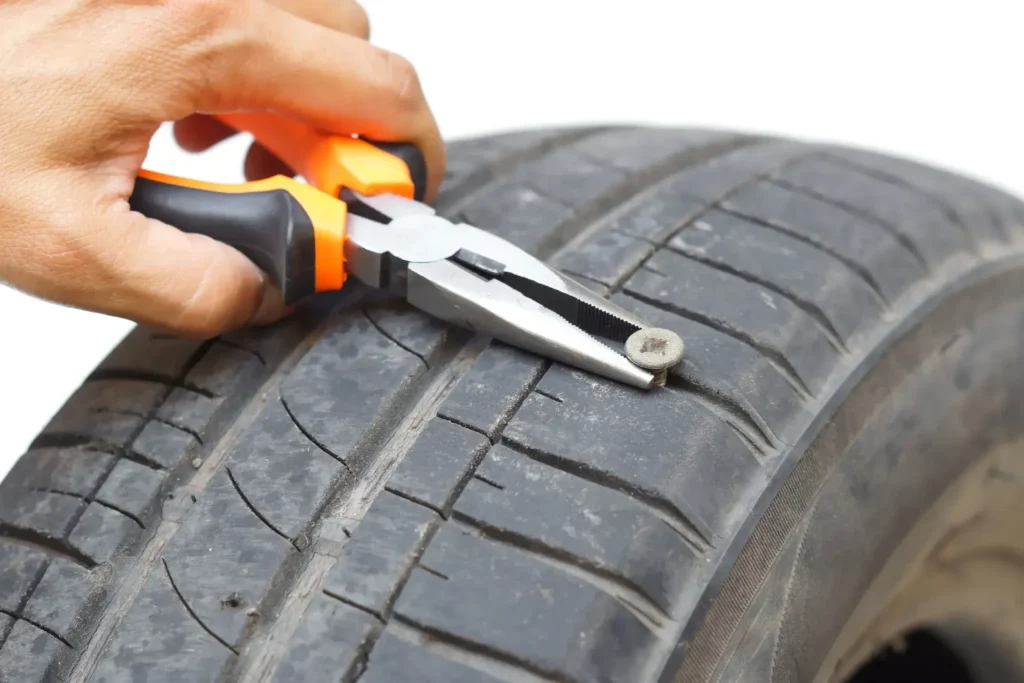
A nail in your tyre is one of the most common and frustrating issues drivers face on UK roads. Whether it happens outside your home, at work, or while driving on the motorway, even a small puncture can quickly turn into a serious safety risk if ignored. Understanding puncture repair, knowing when it’s safe to act, and when to call professionals like Prime Mobile Tyre Fitting, can save you time, money, and unnecessary stress.
This guide walks you step by step through everything every driver should know, from identifying a puncture to understanding costs, emergency tyre repair options, and best practices after repair.
Table of Contents
Understanding Puncture Repair
What Happens When You Have a Nail in Your Tyre?
When a nail, screw, or sharp object penetrates your tyre, it creates a puncture that allows air to escape. Sometimes the air loss is slow, making the issue less obvious at first. This is called a slow puncture. In other cases, the tyre can deflate rapidly, especially if the object damages the inner structure of the tyre.
A nail in tyre repair focuses on safely sealing the puncture while maintaining the tyre’s structural integrity. Not all punctures are repairable! Factors such as location, size, and internal damage all matter.
Common Misconceptions About Tyre Puncture Repair
Many drivers assume:
- Any puncture can be repaired
- DIY kits are always enough
- Driving “a little bit” won’t cause damage
In reality, driving with a nail in your tyre can worsen the puncture, compromise tyre air pressure, and lead to a blowout. This is why professional assessment is often the safest option.
Assessing the Situation
How to Identify a Nail in Your Tyre
Signs you may have a nail in your tyre include:
- Warning lights on your dashboard
- Gradual loss of tyre air pressure
- Visible nail or screw in the tread
- A hissing sound after parking
If you suspect a puncture, avoid long drives and inspect the tyre carefully.
Checking Tyre Air Pressure
Low or uneven tyre air pressure is often the first indicator of a puncture. Use a pressure gauge or your vehicle’s TPMS system to compare all tyres. If one tyre consistently drops below recommended levels, a puncture is likely.
Evaluating the Severity of the Puncture
A tyre puncture repair may be possible if:
- The hole is in the central tread area
- The puncture is small (usually under 6mm)
- The sidewall is not damaged
Sidewall punctures or extensive internal damage usually require a full tyre replacement.
Emergency Tyre Repair Techniques
Can You Drive With a Nail in Your Tyre?
Technically, yes – but it’s strongly discouraged. Driving with a nail in your tyre increases heat, worsens damage, and raises the risk of a sudden tyre failure. Even short journeys can turn a repairable puncture into a non-repairable one.
If you’re stranded, roadside tyre repair or mobile assistance is the safest option.
Temporary Solutions for Roadside Tyre Repair
In emergencies, temporary solutions include:
- Inflating the tyre to reach a safe location
- Using a puncture sealant
- Installing a spare wheel
These are short-term fixes only. They are not substitutes for a proper nail in tyre repair.

Using Tyre Repair Kits Effectively
What are tyre repair kits and where do you buy one?
A tyre repair kit is a compact emergency solution designed to help drivers temporarily fix a puncture caused by a nail or screw and safely continue their journey until professional assistance is available.
Most tyre repair kits include:
- a puncture sealant or rubber repair plugs,
- a reaming tool to clean the hole,
- an insertion tool,
- sometimes a small air compressor or CO₂ cartridges to reinflate the tyre.
These kits can be purchased from automotive retailers, petrol stations, online stores, or are sometimes supplied by car manufacturers instead of a spare wheel.
How to use tyre repair kits?
To fix a nail in a tyre using a repair kit, the object must first be removed, the puncture cleaned using the reamer, and then sealed using either a plug or sealant according to the kit instructions. Once sealed, the tyre is reinflated to the correct tyre air pressure and driven cautiously for a short distance.
It’s important to note that a tyre repair kit provides only a temporary fix! it does not restore the tyre’s original strength.
After using a kit, the tyre should always be inspected by a professional to determine whether a permanent repair or replacement is required.
When to Seek Professional Help
You should call a professional immediately if:
- The tyre is losing air rapidly
- The puncture is in the sidewall
- You’re unsure about the extent of damage
- You’re stuck at home, work, or roadside
Prime Mobile Tyre Fitting offers mobile puncture repair, bringing fully equipped vans directly to your location. No garage visit needed!
Comparing Puncture Repair Cost UK vs. DIY
Many drivers search for puncture repair cost UK before deciding what to do. While DIY kits seem cheaper, they often lead to:
- Repeat air loss
- Additional tyre damage
- Eventual replacement costs
Professional puncture repair costs are generally affordable and far safer, especially when done on-site by experienced technicians.
Best Practices for Tyre Maintenance
Preventing punctures and prolonging tyre life starts with good habits:
- Check tyre air pressure monthly
- Inspect tyres for debris or wear
- Avoid kerbs and potholes when possible
- Rotate tyres regularly
Regular checks reduce the likelihood of sudden emergency tyre repair situations.
Puncture repair by Prime Mobile Tyre
A nail in your tyre doesn’t have to ruin your day, but ignoring it can. Quick action, proper assessment, and knowing when to call professionals makes all the difference. While temporary fixes may help in emergencies, professional puncture repair ensures safety, durability, and peace of mind.
If you ever face a puncture, Prime Mobile Tyre Fitting is ready to help with 24/7 mobile tyre repair across the UK, delivering expert service wherever you are.