
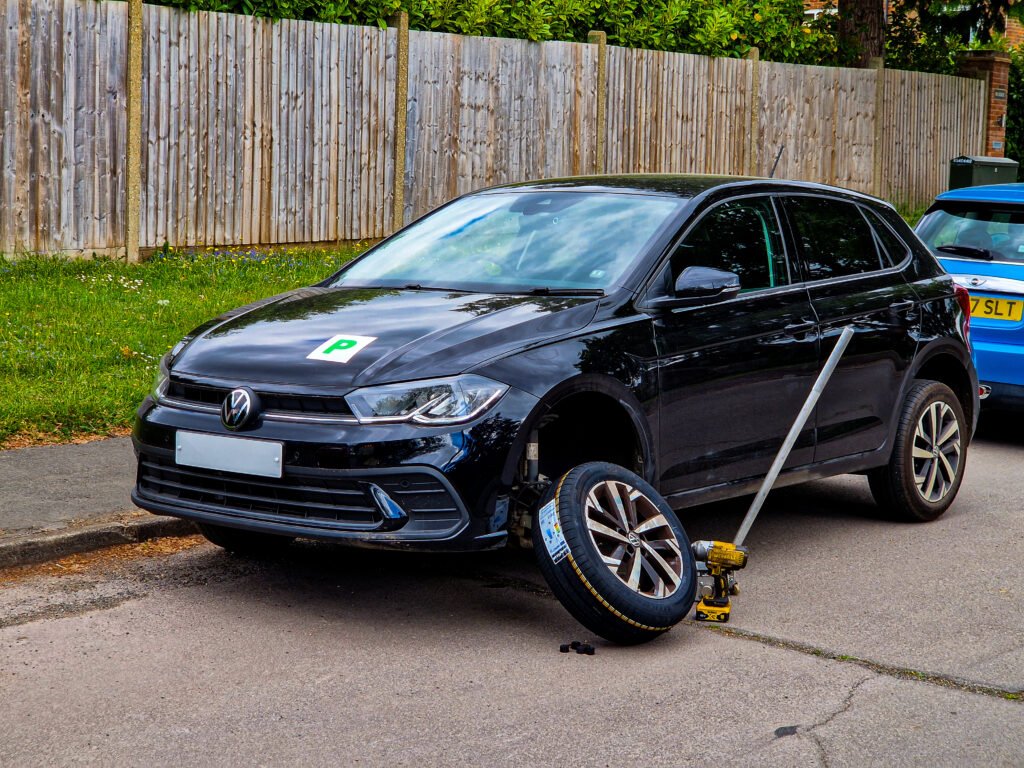
A fleet downtime reduction example is rarely about a dramatic overhaul. For a small business running vans, it is usually about stopping one flat tyre from becoming a lost morning, a missed customer appointment and a driver stuck waiting at a garage.
Tyre trouble is one of the most disruptive problems a fleet can face because it arrives without warning. A nail in the tread, a sidewall impact, a blowout or a seized locking wheel nut can take a working vehicle off the road immediately. If that van carries tools, stock or a technician due at a customer’s property, the knock-on effect can be much bigger than the tyre itself.
The practical answer is to reduce the time between the problem being reported and the vehicle being roadworthy again. That means clear driver procedures, regular tyre checks and a mobile tyre service that comes to the van rather than adding a recovery and garage visit to the job.
The fleet downtime reduction example
Consider a small electrical contractor with eight vans working across Surrey and West Sussex. Each van has a packed diary, with engineers travelling between domestic call-outs, landlord repairs and planned installations. The business does not have a spare vehicle sitting idle, so every van matters.
On a Tuesday morning, one driver spots a tyre-pressure warning after leaving a customer in Crawley. A quick visual check shows a screw in the centre section of the tyre. In the past, the usual process was to send the driver to a tyre depot or arrange recovery if the tyre had gone fully flat. Either way, the engineer would lose several hours, jobs would need rearranging, and the office would spend time ringing customers.
Under a simpler fleet plan, the driver parks safely, photographs the tyre and sends the tyre size, vehicle registration and exact location to the office. The office contacts a mobile tyre technician. The technician attends at the roadside, assesses whether the puncture is safely repairable, and carries out the repair if it meets the required condition. If it does not, a suitable replacement tyre is fitted on site.
The driver is back on the road without a depot visit. The office updates only the appointments affected by the short delay, rather than cancelling the day’s work. The difference is not just faster fitting. It is the removal of unnecessary steps.
What changed in the operation
The contractor did not need complex fleet software or a large in-house workshop. It put three practical arrangements in place: drivers reported tyre issues immediately, the office kept each van’s tyre details on record, and a mobile tyre provider was used for urgent on-site support.
That information matters. If a technician knows the vehicle type, tyre size, load requirements and location before travelling, they can arrive better prepared. It also avoids the common delay of discovering that the van needs a different tyre specification, a commercial-rated replacement or locking wheel nut removal.
For a van fleet, the correct tyre is not simply the cheapest tyre that fits the wheel. Load rating, speed rating, tyre condition and the type of work the van does all need consideration. A vehicle carrying equipment or travelling long distances each day may need a more suitable option than a lightly used local runabout.
Where fleet tyre downtime really comes from
A puncture is only one part of the delay. Fleet managers often focus on the repair time, but the lost hours tend to build up around it. A driver may carry on with a slow puncture until the tyre is too damaged to repair. They may not know who to call, where the locking wheel nut key is kept, or whether they are authorised to approve a replacement tyre.
Then there is the journey to a garage, queueing for a fitting slot, arranging a lift or recovery, and catching up with customers afterwards. For a small business, the person organising this may also be answering calls, ordering materials and managing staff.
The goal is not to pretend every tyre problem can be solved in minutes. A damaged sidewall, an unavailable tyre size or an unsafe roadside position can make the job more complicated. The goal is to have a response that makes a sensible decision quickly and gets the vehicle moving as soon as it is safe to do so.
Build a plan drivers can actually follow
A fleet downtime plan should be easy enough to use when a driver is stressed, wet, late for a job or parked on a busy road. Keep the instruction simple: stop safely, do not drive on a visibly flat tyre, report the location and damage, then wait for guidance.
Drivers should know where to find the locking wheel nut key, if the vehicle has one. It is worth checking this during routine vehicle inspections. A missing key can turn a straightforward tyre replacement into a longer job, particularly outside normal garage hours.
They should also be encouraged to report warning signs early. Repeated tyre-pressure warnings, a vibration through the steering wheel, uneven wear or a tyre that needs regular inflation should not wait until the next service. Early reporting gives you more options. A slow puncture found in a car park may be repaired before it becomes a roadside breakdown.
Keep useful vehicle details in one place
The office or fleet contact should have the registration, usual tyre size, vehicle location tracking method and a contact number for every driver. For vans, record the preferred tyre specification and whether the vehicle regularly carries heavy loads. This speeds up decisions when the driver is unable to check details themselves.
It also helps to agree who can approve work. If a driver needs permission for every replacement, but the decision-maker is unavailable, a one-hour tyre job can become an all-day delay. Set sensible spend limits and clear escalation rules while keeping safety decisions with the technician.
Preventable downtime starts with tyre condition
Emergency support is essential, but prevention still has a place. A weekly walk-round takes only a few minutes and can catch a visibly underinflated tyre, a nail, cracking, bulges or worn tread before the van leaves for its first job.
Pressure checks matter because underinflation creates heat, affects handling and can shorten tyre life. It can also make a van less fuel-efficient. Check pressures when tyres are cold and use the vehicle manufacturer’s recommended figures for the load being carried.
Look across the tyre rather than only at the tread depth. Damage to the shoulder or sidewall is particularly serious and is not normally something to ignore or patch up. If there is a bulge, deep cut, exposed cord, severe cracking or a tyre that has been driven flat, take the vehicle out of service until it has been inspected.
Rotation, alignment and suspension issues can also create repeat tyre costs. If the same van keeps wearing tyres unevenly or suffering damage, replacing the tyre alone may not fix the underlying problem. Investigating the cause can prevent the next unexpected call-out.
Measure the right result
For a small fleet, the most useful measure is often simple: how long was the vehicle unavailable for an unplanned tyre issue? Record the time reported, technician arrival time, work completed and the reason for the problem.
Over a few months, patterns become clear. You may find that several delays came from missing locking wheel nut keys, drivers waiting too long to report slow punctures, or vans fitted with tyres unsuited to their regular loads. Those are operational fixes, not just tyre expenses.
Do not judge success only by the lowest invoice. A cheaper tyre fitted after a full day off the road may cost more to the business than a properly specified replacement fitted promptly at the customer’s location. The right choice depends on mileage, load, budget and how costly it is for that vehicle to miss work.
For local operators, mobile support is especially useful when a van is stranded at a customer site, on a driveway, at a depot or at the roadside. Prime Mobile Tyre Fitting brings the tyre shop to the vehicle, with technicians equipped to assess punctures, fit replacement tyres and deal with locking wheel nut issues where possible.
The best time to plan for a flat tyre is before the driver is standing beside one. Give your team one clear number to call, keep vehicle details ready, and treat early tyre warnings as a job to handle now rather than a problem for later.