
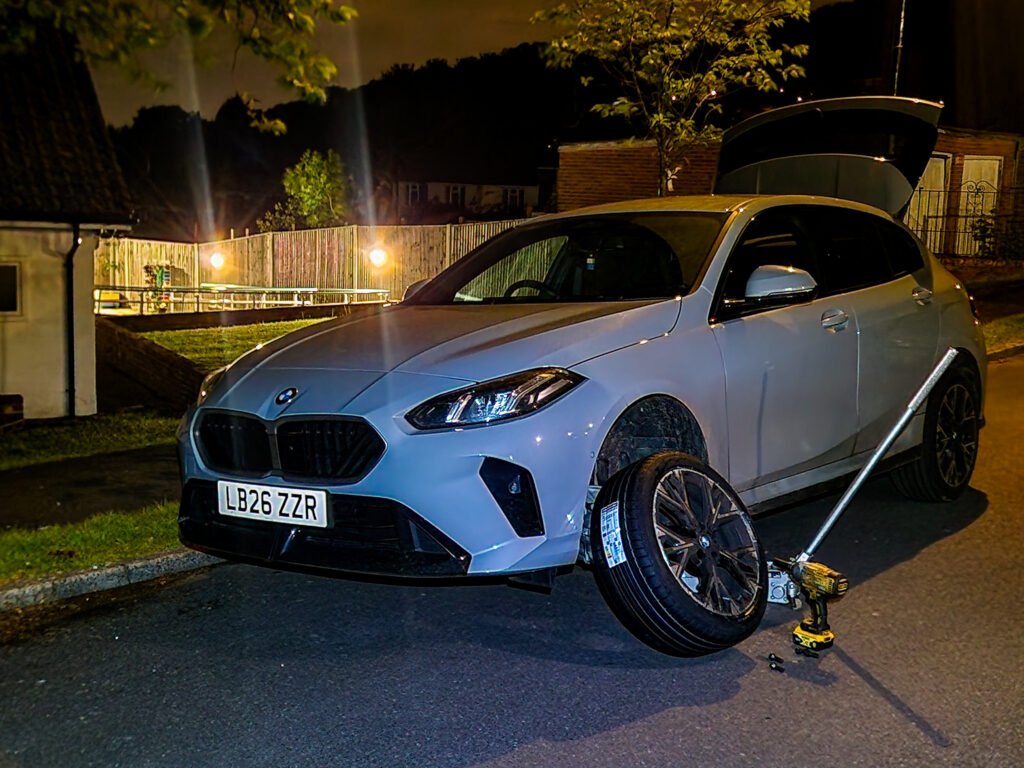
A flat tyre at 7am does not care that you have a school run, a client meeting or an airport journey ahead. That is where mobile fitting vs garages becomes a practical decision rather than a theoretical one. Both can fit and repair tyres properly, but the best option depends on where your vehicle is, how safely it can be moved and how much disruption you can afford.
For a routine tyre change booked well in advance, a local garage may suit you perfectly. For a puncture on the drive, a blowout at work or a van stopped between jobs, bringing the tyre shop to you can save a recovery call, a wasted day and a great deal of stress.
Mobile fitting vs garages: the real difference
The main difference is simple: at a garage, you take the vehicle and the problem to the workshop. With mobile tyre fitting, a trained technician brings the equipment, replacement tyre and repair tools to your home, workplace or roadside location.
A garage is built around appointments, ramps, waiting areas and fixed opening hours. That works well when the car is drivable and you have time to get there. Mobile fitting is built around location and urgency. It is especially useful when driving on the damaged tyre would be unsafe, when you do not have a usable spare, or when getting to a garage would mean cancelling the rest of your day.
Neither option is automatically better in every situation. The right choice comes down to safety, timing, the work required and the condition of the tyre.
When a garage visit makes sense
Garages remain a good choice for planned maintenance. If you have noticed tread getting low, want to change tyres before a holiday, or are replacing a full set and can leave the car for an hour or two, booking into a workshop can be straightforward.
A garage may also be the better route for work beyond tyres. If a warning light is on, the wheel has suffered major impact damage, the suspension feels wrong or the vehicle needs diagnostics, a workshop has lifting equipment and specialist facilities for wider mechanical investigation. Tyres may be the symptom rather than the whole problem.
There is also a cost point to consider. A standard tyre fitting at a garage can sometimes appear cheaper because there is no mobile callout. But that headline price does not include the cost of your time, fuel, missed work or recovery if the vehicle cannot legally or safely be driven there. The cheapest quote is not always the lowest-cost solution.
When mobile tyre fitting is the better call
Mobile fitting earns its value when the vehicle is stranded or your time matters. A technician can assess the problem where it happened, confirm whether repair is possible and fit a suitable replacement if it is not. You avoid attempting a roadside wheel change, asking a friend for help or driving on a tyre that is losing pressure.
It is particularly useful in several common situations: a nail or screw has caused a slow puncture at home; a tyre has gone flat in a work car park; a sidewall has been damaged by a pothole or kerb; a locking wheel nut key is missing; or a van needs to return to work quickly. For fleet operators, every hour that a van is off the road can mean missed jobs and unhappy customers.
Mobile service also suits people whose schedules do not line up with conventional opening times. A tyre issue discovered late at night, early in the morning or on a Sunday cannot always wait until the next available workshop slot. A 24/7 service gives drivers a clear route from breakdown to roadworthiness, wherever they are.
Prime Mobile Tyre Fitting brings professional tyre technicians and equipped vans to drivers across Surrey and West Sussex, helping customers get back on the road without the extra journey to a garage.
Speed is about more than response time
It is tempting to compare only the time it takes for someone to arrive. That matters, especially during an emergency, but total downtime tells the fuller story.
With a garage, you may need to arrange recovery, fit a temporary spare, wait for a slot, travel to the site and wait while the work is done. Even if the fitting itself takes little time, the problem can consume half a day. If the tyre is badly damaged, driving to the garage may not be an option at all.
With mobile fitting, the technician travels instead of you. Once on site, they inspect the tyre, check the wheel and valve, explain the safest next step and carry out the work. A mobile service cannot remove every delay – traffic, tyre availability and your location all affect attendance – but it can cut out the unnecessary stages around a garage visit.
For an urgent callout, give accurate details from the start: your location, vehicle registration, tyre size if known, the nature of the damage and whether the vehicle is in a safe accessible place. This helps the technician arrive with the right equipment and tyre options.
Safety should decide whether you drive anywhere
A tyre that looks only slightly flat can hide a serious problem. Driving even a short distance on low pressure can damage the internal structure of the tyre. Once that happens, a repair may no longer be safe, even if the original cause was only a small puncture.
Do not drive on a tyre with visible sidewall damage, a bulge, exposed cords or a significant loss of pressure. Sidewall cuts and impact damage are not routine puncture repairs. The tyre will normally need replacing. Equally, if a wheel is damaged, a mobile technician can advise whether the vehicle can be made safe at the scene or needs further workshop attention.
If you have stopped at the roadside, get yourself and passengers away from moving traffic where possible. Switch on hazard lights, avoid standing in a live lane and do not attempt a wheel change unless the vehicle is on firm, level ground and you can do so safely. On a motorway or other dangerous location, follow the relevant emergency guidance and put personal safety first.
Can a mobile technician repair the tyre properly?
Yes, provided the puncture meets the repair criteria and the tyre has not been driven while flat or otherwise damaged. A professional repair is not simply plugging a hole from the outside. The tyre needs to be inspected properly, including the inside, before a technician can decide if it is safe to repair.
Generally, a puncture in the central tread area may be repairable if it is within the permitted repair zone, is small enough and there is no internal damage. A puncture near the shoulder, a sidewall cut, a tyre with exposed cords or one driven extensively while deflated should be replaced instead.
This is one reason mobile fitting is more than a convenience service. The right technician does not guess. They inspect, explain the options clearly and recommend the safe outcome, even if that means a replacement rather than a repair.
Comparing the price fairly
Ask for upfront pricing whichever route you choose. A clear quote should explain the cost of the tyre, fitting, balancing where applicable, valve, disposal and any callout charge. If your vehicle uses locking wheel nuts and the key is missing, ask about removal costs before work begins.
Mobile fitting may carry a callout fee, particularly for emergency or out-of-hours attendance. In return, you may avoid recovery charges, taxi fares, lost work time and the inconvenience of rearranging your day. For a vehicle that cannot move, the mobile option can often be the more sensible financial choice.
At a garage, ask whether the quoted tyre is the exact brand and specification you need. Check that the load rating, speed rating and size match your vehicle requirements. A van, for example, may need a commercial-rated tyre designed for its load. Choosing solely on the lowest price can be a false economy if the tyre is not suitable for the job.
What to expect from a professional mobile visit
A dependable mobile tyre service should keep the process simple. You make contact and explain the problem. The technician attends your location with the necessary tools and suitable tyre options. After an inspection, they repair or replace the tyre, check pressures and make sure you understand what has been done before you drive away.
Access matters. Let the technician know if the vehicle is in an underground car park, behind a gate, on a narrow road or parked on a slope. Clear space around the affected wheel if you can do so safely. These small details help the job happen faster and without surprises.
Choose the option that gets you moving safely
For planned tyre maintenance, a garage appointment can be convenient and cost-effective. For a puncture, blowout or vehicle that cannot safely be driven, mobile fitting removes the hardest part of the problem: getting the car to the help.
The best choice is the one that protects your safety and your time. If the tyre has failed where you are, do not risk driving it further just to reach a workshop. Get a professional to assess it at the vehicle, fit the right solution and let you carry on with confidence.