A flat tyre on a van is rarely just a flat tyre. It can mean a missed delivery, a delayed site visit, an airport run put at risk, or a day of work stopped at the kerb. With mobile van tyres, professional help comes to your home, workplace or roadside location, so you do not have to arrange a recovery vehicle or lose hours waiting at a garage.
For vans up to 3.5 tonnes, the priority is simple: assess the problem properly, fit or repair the tyre safely, and get you back on the road with as little disruption as possible. Whether you run one working van or manage a small fleet, a mobile tyre service gives you a practical answer when time matters.
When you need mobile van tyres
A tyre problem does not always happen during convenient hours or close to a tyre depot. You may return to your van after a shift and find it sitting low on the driveway. You may pick up a screw on the way to a customer. Or you may suffer a sudden blowout on a busy route with tools, stock or passengers on board.
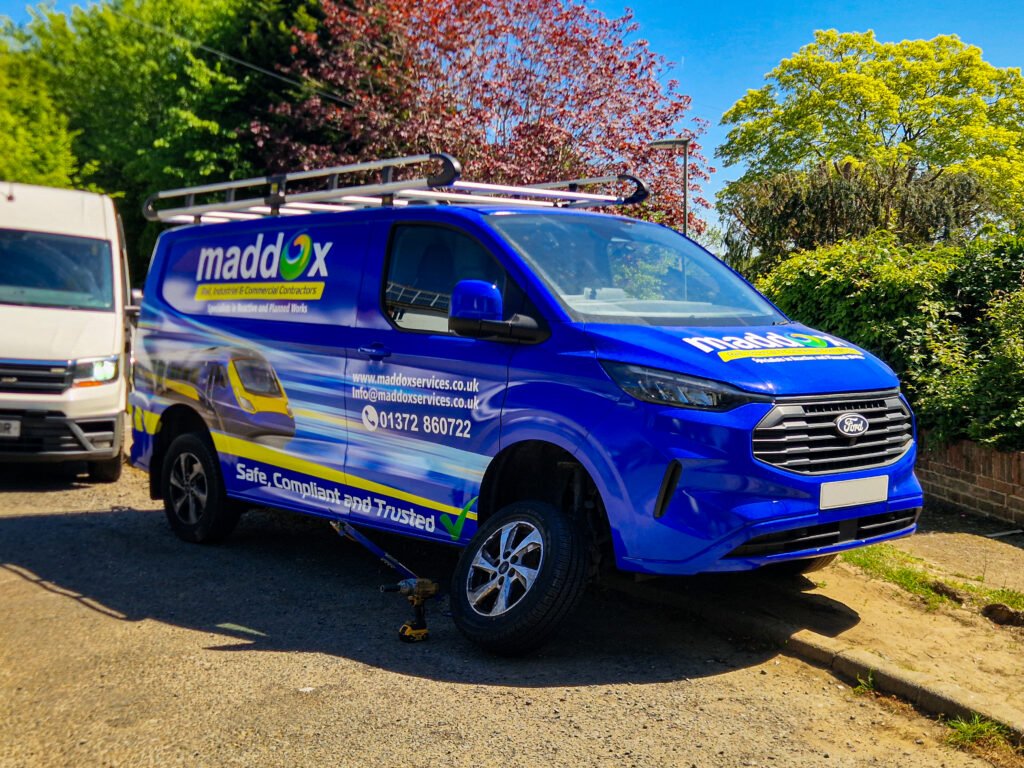
Mobile fitting is designed for these situations. A qualified technician attends with tyre-changing equipment, jacks, tools and a selection of suitable replacement tyres. Where possible, they assess the tyre on site and explain the safest next step before any work starts.
This can be especially useful for tradespeople and local businesses. Taking a van to a garage often means rearranging work, moving equipment to another vehicle and losing valuable earning time. Having the tyre shop come to your location keeps the interruption shorter and more manageable.
Puncture repair or replacement?
Not every puncture means you need a new tyre. A small, straightforward puncture in the central tread area may be repairable if the tyre has been driven on for only a short distance while deflated and has no internal damage. A professional inspection is essential because damage is not always visible from the outside.
A replacement is usually the safer option if the puncture is in or close to the sidewall, the tyre has a split, there is a bulge, the tread is worn near or below the legal limit, or it has been driven flat. Sidewall damage weakens the tyre structure and cannot be safely repaired.
The same applies after a blowout. Even if the wheel looks intact, the tyre must be removed and checked carefully. Continuing to drive on a damaged tyre can affect handling, braking and the wheel itself. It can also turn a manageable callout into a much more expensive repair.
Why van tyres need the right specification
Van tyres work harder than most car tyres. They regularly carry heavy loads, cover high mileages and deal with kerbs, industrial estates, uneven access roads and repeated stop-start driving. Fitting a tyre that looks similar but does not meet the van’s required specification is not a sensible shortcut.
The correct tyre must match the vehicle’s tyre size, load rating and speed rating. The information is shown on the tyre sidewall and in the vehicle handbook. For example, the numbers and letters on a tyre identify its width, profile, construction, wheel diameter and performance ratings.
Load rating is particularly important for a working van. A tyre must be rated to carry the vehicle safely when it is loaded, not merely when it is empty. If you carry tools, materials, parcels or equipment, tell the technician. It helps ensure the tyre recommendation is right for how the van is actually used.
A fast response without guesswork
When you call for a mobile van tyre service, having a few details ready can speed things up. Your location, registration number, tyre size if known, and a clear description of the issue will help the technician prepare. If there is a warning light, a damaged sidewall, a missing locking wheel nut key or a complete blowout, say so at the start.
You do not need to be a tyre expert. If you are unsure of the tyre size or whether a repair is possible, a clear photo of the tyre and its sidewall can be useful where it is safe to take one. Do not stand in live traffic or inspect a tyre on the roadside if it puts you in danger.
A proper mobile service should give you clear information about the likely options and pricing before work goes ahead. The exact cost can depend on tyre size, availability, whether the tyre is repairable, the callout location and the time of day. Straight answers matter when you are already dealing with an unexpected breakdown.
What happens during a mobile van tyre fitting?
The process should be straightforward. First, the technician confirms the issue and checks the vehicle can be worked on safely where it is parked. They then inspect the tyre, wheel and valve, removing the wheel where needed to assess the inside of the tyre.
If a safe repair is possible, the puncture is repaired using the correct professional process and the tyre is refitted. If replacement is needed, the new tyre is fitted, inflated to the appropriate pressure and checked before the vehicle is returned to you. The wheel nuts are tightened correctly, and the technician will flag any further tyre concerns they spot, such as uneven wear on the other tyres.
This is not simply about putting air back into a tyre and sending you away. A tyre that repeatedly loses pressure may have a puncture, valve issue, wheel-rim problem or previous damage. Finding the underlying cause helps prevent the same van being off the road again tomorrow.
Do not ignore these warning signs
Van tyres often give warning before they fail completely. A regular pressure check can save you from a roadside emergency, especially when the vehicle carries loads every day. Watch for the following signs:
- A tyre that needs frequent inflation or looks visibly lower than the others.
- Cracks, cuts, bulges or exposed cords on the sidewall or tread.
- Uneven tread wear, including excessive wear on one edge.
- Steering vibration, pulling to one side or a thudding noise while driving.
- Tread depth approaching the legal minimum of 1.6mm across the central three-quarters of the tyre.
Legal minimum tread is not necessarily the best point to replace a working van tyre. Wet-road grip reduces as tread wears down, and vans need reliable braking and stability in poor weather. Replacing tyres before they become marginal can protect your drivers, your customers and your schedule.
Check pressures when the van is loaded
The correct tyre pressure can change depending on the load. Many vans have separate recommended pressures for normal use and fully laden use, often shown on a label inside the driver’s door frame or fuel flap. Underinflated tyres generate extra heat, wear faster at the edges and can affect fuel use. Overinflated tyres may reduce grip and cause wear through the centre of the tread.
Check pressures when the tyres are cold, ideally at least once a month and before a long journey. If your van covers plenty of miles, a weekly visual check is a sensible habit. It takes minutes and may prevent the kind of failure that stops a full day of work.
Mobile tyre support for small van fleets
For a small business, one disabled van can create an immediate knock-on effect. Jobs get moved, customers wait, staff lose time and another vehicle may have to cover the route. Fleet support is not only about handling emergencies. It is about reducing avoidable downtime through planned tyre checks, replacements and quick on-site response when problems do happen.
Prime Mobile Tyre Fitting supports vans up to 3.5 tonnes across Surrey and West Sussex, bringing professional tyre assistance directly to where your vehicle is. That may be outside a customer’s property, at your depot, on a driveway or at the roadside.
The best option depends on the tyre damage, your vehicle’s specification and how quickly you need to be moving again. A repair may be the most cost-effective solution, while a replacement may be the only safe one. Either way, do not gamble with a van tyre that looks damaged or continues to lose air. Getting it checked early is usually quicker, safer and less disruptive than waiting for it to fail when you need the van most.