
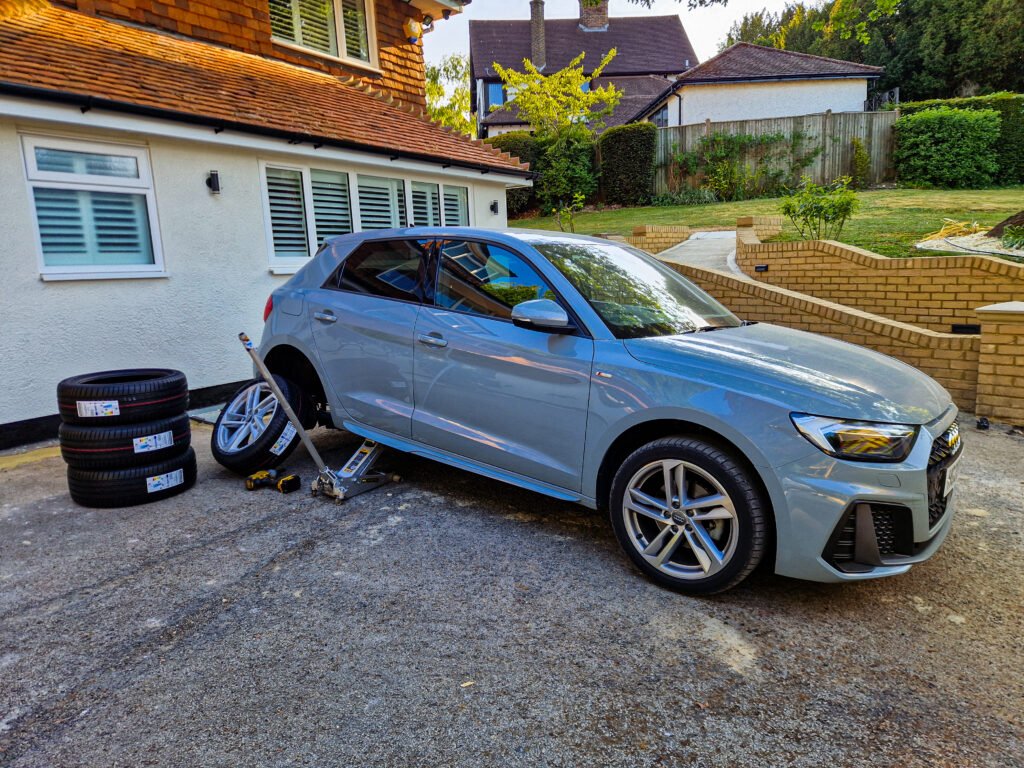
A van with a flat tyre at 7.30am is not a minor inconvenience when it is due at a customer’s door at eight. For small firms, fleet maintenance is about protecting the jobs, deliveries and appointments that keep the business moving. It is also about keeping drivers safe and avoiding the expensive scramble that follows an avoidable roadside breakdown.
For cars and vans up to 3.5 tonnes, tyres deserve particular attention. They are the only part of the vehicle in contact with the road, yet they are easy to overlook until a warning light appears, a nail causes a slow puncture or a sidewall is damaged on a kerb. A practical maintenance routine catches those issues early, before they become missed work and recovery bills.
What fleet maintenance should achieve
A useful maintenance plan is not simply a diary full of service dates. It should give a business owner confidence that each vehicle is safe, legal and ready for the next job. That means planned servicing and MOTs, yes, but it also means checking the everyday items most likely to stop a vehicle without warning.
For a small fleet, the right level of planning depends on mileage, loads, routes and how hard each vehicle works. A local electrician’s van covering short urban runs has different tyre wear patterns from a courier vehicle spending all day on faster roads. Vehicles that carry heavier tools or stock need especially careful pressure checks, as an underinflated tyre can overheat, wear unevenly and affect handling.
The goal is simple: find a developing problem when it can be dealt with at a convenient time, not when the driver is stranded at the roadside.
Tyre checks at the centre of fleet maintenance
Tyres do not need a garage visit to be checked properly. A driver can carry out a quick visual inspection before a shift, while a manager can arrange a more thorough check at regular intervals. The important thing is consistency.
Look for visible cuts, cracks, bulges, objects embedded in the tread and uneven wear across the tyre. A bulge in the sidewall is a safety concern and normally means replacement is needed. Sidewall damage cannot usually be repaired safely, even if the tyre still appears to hold air.
Tread depth matters too. The legal minimum for most cars and vans is 1.6mm across the central three-quarters of the tread and around the full circumference. Waiting until tyres are close to that limit is not always sensible, particularly during wet Surrey and West Sussex weather. Grip and stopping performance reduce as tread wears, so replacing tyres earlier may be the better operational decision for vehicles that cover high mileage or regularly carry loads.
Pressure should be checked when tyres are cold and set to the vehicle manufacturer’s recommendation for the load being carried. This is not a one-size-fits-all figure. The correct pressure can differ between front and rear tyres and may change for heavier loads. Incorrect pressures affect fuel use, braking, wear and ride quality, so a few minutes with a reliable gauge can prevent a surprisingly costly problem.
When a puncture can be repaired
A tyre is not automatically scrap because there is a nail in it. If the damage is in the central tread area, the tyre has not been driven flat and its structure is sound, a professional repair may be possible. It is often the quickest and most cost-effective outcome.
However, a puncture near the shoulder or sidewall, a split tyre, a damaged bead or a tyre driven while flat may require replacement. Do not ask a driver to keep topping up a tyre and hope it lasts until the end of the week. Slow leaks can become sudden failures, and continuing to drive can turn a repairable puncture into a replacement.
Build a routine drivers will actually follow
The best process is short enough to fit into a busy morning. Asking drivers to complete a lengthy form every day is unlikely to work for long. Instead, make a pre-use check part of collecting keys or loading the vehicle: look at all four tyres, check for warning lights, confirm lights are working and report anything unusual immediately.
Once a week, check tyre pressures, tread condition, fluid levels and windscreen washer level. At least monthly, review the vehicle’s mileage, upcoming service dates, MOT expiry, known defects and tyre wear. Keep records in one place, whether that is a simple shared spreadsheet or fleet management software. The system matters less than being able to see what is due and what has been reported.
Drivers also need clear instructions on what not to do. They should not drive on a visibly deflated tyre, ignore steering vibration or continue after striking a kerb hard enough to damage a wheel or tyre. They should stop somewhere safe where possible, switch on hazard lights and report the issue with the vehicle location, tyre size if known, and any warning messages shown on the dashboard.
Plan replacements before they become urgent
There is a trade-off in tyre replacement. Fitting tyres too early wastes usable tread, but pushing tyres to the limit increases the chance of downtime and may leave the business with fewer choices when a replacement is needed quickly. A planned replacement lets you choose the right tyre for the vehicle’s work rather than fitting whatever is available during an emergency.
For fleet vehicles, consider more than the purchase price. A cheaper tyre may make sense for a low-mileage vehicle used locally, while a van covering long distances could benefit from a tyre with stronger wear performance, dependable wet grip and the correct load rating. The tyre must match the vehicle’s required size, speed rating and load index. If in doubt, check the handbook, door placard or existing approved tyre specification rather than guessing.
It is also sensible to rotate responsibilities, not necessarily tyres. Give one person ownership of booking planned work and another responsibility for flagging defects. That reduces the risk of important dates being missed when someone is on holiday or busy on site.
Keep an emergency plan for the unexpected
Good planning reduces breakdowns. It cannot eliminate nails, potholes, vandalism or a sudden blowout. Every fleet needs a simple response plan for when a vehicle cannot continue safely.
Make sure drivers know who to call, where the locking wheel nut key is kept and whether the vehicle has a spare wheel, inflation kit or neither. Many newer vans and cars do not carry a usable spare, and tyre sealant kits are not suitable for every puncture. A damaged sidewall, a large hole or a tyre that has come off the rim needs professional attention.
The advantage of a mobile tyre service is straightforward: the technician comes to the vehicle at home, at work or at the roadside. That can avoid arranging a tow, moving tools from one van to another or losing half a day at a tyre garage. For a business with customer appointments to keep, that difference is significant.
Prime Mobile Tyre Fitting provides mobile tyre repairs, replacement tyres, pressure and condition checks, and locking wheel nut removal for cars and vans across Surrey and West Sussex. Where a repair is safe, it can get the vehicle moving again without unnecessary replacement. Where it is not, the priority is fitting the correct tyre and getting the driver back on the road safely.
Use downtime as a measure, not just repair cost
A maintenance decision should be judged against the cost of a vehicle being unavailable. If a van earns money only when it is on the road, then the real price of a tyre problem includes delayed jobs, rearranged bookings, staff time and customer frustration. That does not mean replacing every tyre at the first sign of wear. It means making decisions with the full cost in view.
Review recurring issues every few months. If one vehicle repeatedly suffers punctures, look at its usual routes, parking locations and loads. If tyres are wearing on one edge, check alignment and suspension rather than repeatedly fitting new rubber. If drivers regularly report low pressures, establish whether the cause is poor checking habits, valve leaks, slow punctures or an incorrect pressure target.
A well-run fleet does not wait for a red warning light to decide what to do. It gives drivers a clear routine, acts quickly on defects and keeps reliable tyre support ready for the moments that cannot be planned. That is how a small fleet stays safe, dependable and ready for the next call.