
A tyre that lasts well is not simply the one with the deepest tread on day one. The best tyres for high mileage are correctly rated for your vehicle, suited to the roads you use and looked after properly from the moment they are fitted. Get that combination right and you can reduce replacement costs, improve fuel economy and avoid the disruption of an unexpected flat.
For drivers covering regular motorway miles, commuting across Surrey and West Sussex, or running a working van, tyre choice has a direct effect on running costs. The cheapest tyre can become expensive quickly if it wears unevenly, gives poor wet grip or needs replacing months before it should.
What makes a tyre good for high mileage?
High-mileage tyres are designed with durability in mind, but there is no single tyre that is right for every car or van. A family hatchback travelling 15,000 motorway miles a year needs something different from a loaded trades van stopping and starting all day.
Look first for a quality touring or long-life tyre from an established manufacturer. These tyres usually use a harder-wearing compound and a tread pattern designed to spread pressure evenly across the contact patch. That helps the tyre wear at a steadier rate while still providing dependable grip in wet conditions.
Tyre labelling can help with part of the decision. A better fuel-efficiency rating may lower fuel use over thousands of miles, while the wet-grip rating gives an indication of braking performance in the rain. Do not choose on fuel rating alone, though. A tyre that saves a small amount at the pump is not a bargain if it is unsuitable for the vehicle, road conditions or load.
For most drivers, the best value sits in the middle ground: a reputable, durable tyre with sound wet-weather performance rather than the absolute lowest-priced option or a specialist performance tyre that may wear faster.
Best tyres for high mileage depend on how you drive
Your daily routes matter as much as your annual mileage. Long, steady motorway runs tend to be easier on tyres than urban driving, where repeated braking, acceleration, potholes and kerb contact take their toll.
Motorway and commuter driving
If most of your miles are on the M23, A23, M25 or similar fast roads, choose a touring tyre built for longer tread life, predictable wet grip and low rolling resistance. Comfort and road noise are worth considering too. A quieter tyre makes a noticeable difference when you spend hours each week behind the wheel.
Check the load index and speed rating against your vehicle handbook or the existing approved tyre specification. Fitting a tyre with an incorrect rating can affect handling, wear and insurance compliance. A technician should always confirm the correct size and rating before fitting.
Town driving and school runs
Town mileage can be hard on the shoulders of a tyre. Roundabouts, tight parking spaces, speed humps and frequent steering inputs all increase wear, especially if tyre pressures are low.
A durable all-season or touring tyre can be a sensible choice for drivers who do mixed local and motorway journeys. All-season tyres offer practical year-round performance in typical British weather, but they are not automatically the longest-lasting option. If you drive very high annual mileage, compare their expected wear against a dedicated summer touring tyre and decide whether year-round convenience is worth the trade-off.
Vans and working vehicles
For vans, always use tyres designed for commercial loads. These are commonly marked with a C for commercial construction and have reinforced sidewalls and a suitable load rating. Passenger-car tyres are not a safe substitute, even if the size appears to match.
A van tyre that lasts needs more than tough rubber. Overloading, incorrect pressure and poor wheel alignment can destroy a new set of tyres far sooner than expected. For a small business, that means lost time, extra callouts and a vehicle off the road when it should be earning.
Electric and hybrid vehicles
Electric vehicles are heavier than many equivalent petrol cars and deliver instant torque. That can accelerate tyre wear, particularly on the driven axle. Look for tyres approved for the vehicle where possible, with the correct load rating and an emphasis on durability, low rolling resistance and noise control.
Do not assume that any low-rolling-resistance tyre is right for an EV. The tyre still needs to manage the vehicle’s weight safely and provide confident grip in the wet.
Premium, mid-range or budget: where should you spend?
Premium tyres often offer the strongest mix of tread life, wet grip, refinement and consistent build quality. For high-mileage drivers, the higher upfront price can work out well if the tyre lasts longer and performs reliably throughout its life.
Mid-range tyres can be a good option when budgets are tighter, particularly for lower-powered cars with moderate annual mileage. The key is choosing a known, properly specified tyre rather than selecting purely by price. Ask about its wet-grip rating, intended use and expected durability.
Budget tyres may make sense for a vehicle being sold soon or one covering very few miles, but they are rarely the best choice for someone driving 15,000 to 25,000 miles each year. Faster wear or weaker wet performance can erase any saving made at fitting time.
The real comparison is cost per mile, not the price shown on the invoice. A £70 tyre that covers 12,000 safe miles may offer less value than a £100 tyre that gives 22,000 miles with better fuel efficiency and braking performance.
How to make any tyre last longer
Even the best tyre will wear prematurely if basic checks are missed. Tyre pressure is the biggest one. Under-inflated tyres run hotter, increase fuel consumption and wear along both outer shoulders. Over-inflation can reduce the contact area and wear the centre of the tread more quickly.
Check pressures at least once a month and before a long journey, using the vehicle manufacturer’s recommended cold pressures. Do not rely on a visual check alone. A tyre can be significantly under-inflated without looking obviously flat.
Wheel alignment is equally important. If your car pulls to one side, the steering wheel is off-centre while driving straight, or one edge of a tyre is wearing much faster than the other, have the alignment checked. A pothole strike or kerb impact can be enough to alter alignment and shorten tyre life dramatically.
Regular rotation can also help on some vehicles, as front and rear tyres often wear at different rates. This should only be done in line with the vehicle manufacturer’s guidance and with matching tyre types where required. Directional tyres and staggered wheel setups need particular care.
Avoiding harsh acceleration and heavy braking helps, but sensible driving cannot compensate for damage. Inspect tyres for nails, cuts, cracking, bulges and sidewall scuffs. A bulge or sidewall damage normally means replacement is needed, as the tyre’s internal structure may be compromised.
Do not wait for the legal limit
The UK legal minimum tread depth is 1.6mm across the central three-quarters of the tyre, around its full circumference. Waiting until tyres are at that point leaves little margin in standing water, where braking and aquaplaning resistance are reduced.
For safer wet-weather driving, many motorists choose to replace tyres at around 3mm of tread. This is particularly sensible for high-mileage drivers, airport runs, family journeys and vans that need dependable traction every day.
A puncture does not always mean the tyre is finished. A small puncture in the central tread area may be repairable following a proper inspection from inside the tyre. Damage near the shoulder or sidewall, a run-flat tyre driven while deflated, or a tyre with internal damage will usually need replacement. Never rely on a temporary repair as a long-term answer without professional advice.
Get the right tyres fitted where you are
Choosing tyres by size alone is not enough. The right fitment includes the correct width, profile, rim diameter, load index and speed rating, plus a tyre that suits the way your vehicle is actually used. A professional check can prevent the false economy of fitting the wrong tyre and having to replace it early.
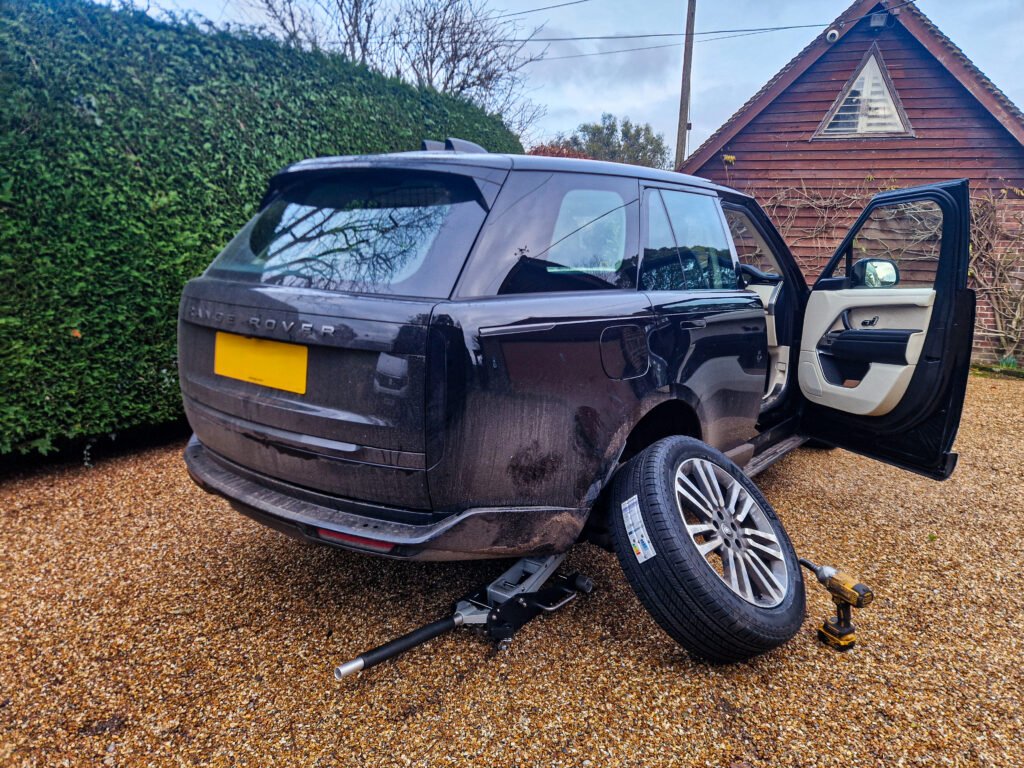
Prime Mobile Tyre Fitting brings the tyre shop to you, whether you are at home, at work or stopped with a puncture. We can check the condition of the tyres already on the vehicle, fit suitable replacements and help you get back on the road without losing a day to a garage visit.
If your tread is wearing unevenly, pressure keeps dropping or you are unsure whether a puncture can be repaired, deal with it before the next long journey. A timely tyre check is usually quicker, safer and far less stressful than waiting for a roadside blowout.