
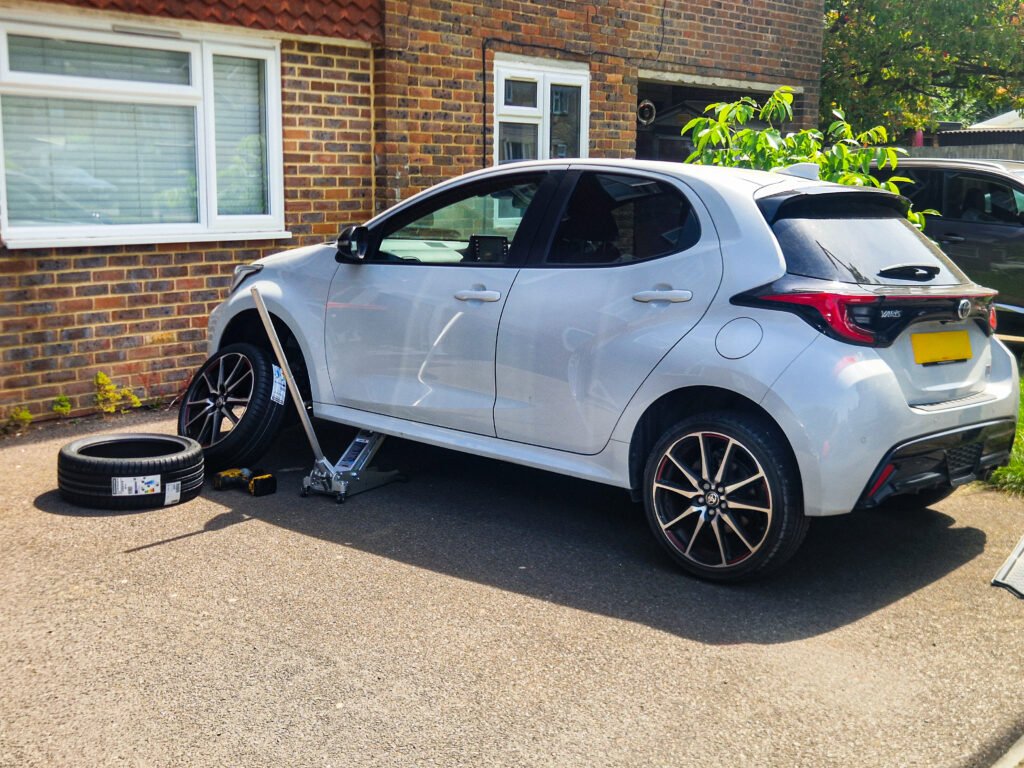
A flat tyre at home before the school run is very different from a planned tyre change on a quiet Saturday. That is why mobile tyre fitting vs garage is not simply a question of price. It is about where your vehicle is, how quickly you need it moving, and whether driving it anywhere is safe in the first place.
A traditional garage still has its place. But when a puncture, blowout or damaged tyre stops your day, having a professional technician come to your driveway, workplace or roadside location can remove the need for a spare wheel, recovery vehicle or disrupted schedule.
Mobile tyre fitting vs garage: the main difference
The garage model asks you to get the vehicle to the tyre shop, wait while the work is completed, then drive home again. If the tyre is losing air slowly and the car is safe to drive, that may be perfectly practical. It can suit drivers who are already planning a service, have time available and would prefer to combine several vehicle jobs in one visit.
Mobile fitting reverses that journey. A tyre technician arrives with the tools, equipment and suitable tyres needed to assess the problem and carry out the work where the vehicle is parked. For an emergency, that can be the difference between getting back on the road and spending hours arranging recovery, lifts or alternative transport.
Neither option is automatically right for every situation. The best choice depends on urgency, location and the condition of the tyre.
When mobile tyre fitting is the better choice
Mobile tyre fitting is designed for the moments when getting to a garage is difficult, unsafe or simply a waste of valuable time. A professional mobile service can attend homes, workplaces, car parks and roadside locations, subject to a safe working area.
You have a flat tyre or blowout
Do not drive on a flat tyre in the hope of reaching a garage. Running a tyre with little or no air can quickly damage its internal structure, harm the wheel and make a repair impossible. It may also affect how the vehicle steers and brakes.
A mobile technician can inspect the tyre at the scene, check whether a safe repair is possible and fit a replacement if it is not. This is particularly useful if your car has no spare wheel, the spare is flat, or you are not confident changing it yourself on a busy road.
Your day cannot stop for a garage appointment
A garage visit often means time off work, rearranging childcare, sitting in a waiting area or leaving the vehicle for several hours. For commuters, parents and van drivers, that interruption can be more costly than the fitting itself.
With mobile fitting, the work can often be done while you are at home or working. You still need to be available to confirm the tyre details and approve the work, but you do not need to build your whole day around a workshop booking.
Your van is part of your income
For a small business, a van off the road can mean missed jobs, delayed deliveries and frustrated customers. The same applies to a small fleet where one tyre problem can put pressure on the rest of the operation.
On-site tyre support keeps the vehicle where it needs to be. Rather than sending a driver to a garage and waiting for an available fitting bay, a mobile service can deal with the problem at the depot, at a customer address or wherever the vehicle has stopped.
You need help outside normal opening hours
A puncture does not wait for a convenient time. It can happen late at night, early in the morning or on the way to an airport journey. Most garages operate set hours, whereas a 24/7 mobile tyre service is built for urgent call-outs.
That availability matters when your vehicle is stranded, but it also provides reassurance. You have a clear route to getting safe, roadworthy help when the usual options are closed.
When a garage may make more sense
A garage can still be a sensible choice when the vehicle is driveable and there is no pressure on time. If you are replacing a full set of tyres, booking a routine seasonal changeover or also need servicing, wheel alignment or mechanical diagnostics, a workshop visit may be more convenient.
Garages can also have a wider range of tyres physically in stock at one location. A good mobile provider can source and bring suitable tyres, but giving the correct tyre size, vehicle registration and any preferred brand in advance helps avoid delays.
Some jobs need fixed workshop equipment or a longer inspection. Wheel alignment is a good example. A mobile technician can fit tyres and check pressures and condition, but alignment work normally requires specialist garage machinery. If uneven wear suggests an alignment issue, it is worth arranging that follow-up after the new tyre has been fitted.
Cost: look beyond the fitting price
It is easy to compare only the advertised price of a tyre or fitting slot. The real cost can be higher if you need a recovery vehicle, lose paid work, use taxis, miss an appointment or damage a tyre by attempting to drive on it.
Mobile fitting may include a call-out charge, particularly for emergency, evening or roadside attendance. That reflects the technician travelling to you with professional equipment and carrying out the job at your location. In return, you avoid travelling to a garage and the downtime that comes with it.
The key is clear pricing before work begins. Ask what is included: the tyre price, fitting, valve, balancing, disposal of the old tyre and any call-out charge. If a repair is possible, ask how the technician will decide. A reputable fitter will inspect the puncture position and tyre condition rather than promise a repair before seeing it.
A nail through the central tread area may be repairable if the tyre has not been driven flat and there is no internal or sidewall damage. Damage in the sidewall or shoulder area generally means replacement is needed. The technician should explain the decision plainly, without pressure.
Safety matters more than convenience
Convenience is valuable, but the real benefit of professional fitting is safety. Tyres are the only part of your vehicle in contact with the road. Their condition affects braking, grip in wet weather, steering response and stability when carrying passengers or loads.
Whether you choose mobile fitting or a garage, the essentials should be the same: correct tyre size and load rating, safe fitting procedures, wheel balancing where required, tyre pressures checked and wheel nuts tightened correctly. If your vehicle uses locking wheel nuts and the key is missing, tell the provider before they attend. Specialist removal may be needed.
If a tyre has suffered a sudden loss of pressure, do not assume pumping it up is enough. A slow leak can come from a puncture, valve issue, wheel damage or a failing seal. It needs to be properly assessed, especially before a motorway journey or long family trip.
How to choose the right option quickly
Start with one question: is the vehicle safe to drive? If the answer is no, choose mobile assistance rather than taking the risk. A visibly flat tyre, sidewall bulge, torn rubber, wheel damage or suspected blowout calls for an on-site inspection.
If the vehicle is safe and you have flexibility, compare the total cost and the time involved. A planned garage appointment may suit routine work. If you are stuck at home, at work, on the roadside or managing a working van, mobile fitting is often the more practical route.
When you call, have your registration, location, tyre size if known, and a clear description of the fault ready. Let the technician know whether you have a spare, whether the tyre is completely flat and whether your vehicle has locking wheel nuts. Those details help the right equipment and replacement tyre arrive first time.
Prime Mobile Tyre Fitting brings the tyre shop to drivers across Surrey and West Sussex, helping with punctures, replacements, blowouts and urgent tyre problems wherever it is safe to work.
A tyre problem is stressful enough without guessing what to do next. If you cannot safely get to a garage, stay put, avoid driving on the damaged tyre and arrange qualified help to get you back on the road.