A tyre rarely fails at a convenient time. It is often noticed on the school run, before an airport journey, outside work or when a van is due at its next job. So, when should tyres be replaced? The short answer is before worn tread, hidden damage or age turns a manageable problem into a dangerous flat, blowout or failed MOT.
Tyres are the only part of your car or van in contact with the road. Their condition affects braking, steering, grip in heavy rain and how confidently the vehicle behaves in an emergency. A quick visual check can spot some problems, but not all of them. If you are unsure, do not take a chance on a long journey or high-speed road. Have the tyre inspected by a professional technician where the vehicle is parked.
When should tyres be replaced?
A tyre needs replacing when it is below the legal tread limit, has damage that cannot be safely repaired, is badly aged or cracked, or has suffered an impact that may have weakened its structure. It may also need replacement if uneven wear points to a mechanical issue that has damaged the tyre beyond sensible use.
The legal minimum tread depth for cars and vans in the UK is 1.6mm across the central three-quarters of the tread, around the full circumference. Below that level, the tyre is illegal and unsafe. You risk reduced wet-weather grip, a fine, penalty points and an MOT failure.
Waiting for 1.6mm is not always the best decision. Many drivers choose to replace tyres at around 3mm, particularly before winter or regular motorway driving. As tread gets lower, it clears less water from the road. That increases the risk of aquaplaning and extends stopping distances in the wet. For a vehicle used for family trips, commuting or work calls, the extra safety margin is often worth it.
The warning signs you should not ignore
Some tyre problems are obvious. Others can look minor but become serious quickly once the tyre is carrying weight, heating up and travelling at speed. Arrange a replacement or inspection promptly if you notice any of the following:
- Tread is at or close to the wear indicators, or measures near 3mm.
- A bulge, bubble or lump has appeared on the sidewall or tread.
- The sidewall is cut, split, deeply scuffed or showing exposed cord.
- There are deep cracks in the rubber, especially around the sidewall.
- The tyre keeps losing pressure, even after it has been inflated.
- Wear is uneven, with one edge, the centre or isolated patches worn much faster than the rest.
A bulge is particularly urgent. It usually means internal cords have been damaged, often after hitting a pothole or kerb. The tyre may look inflated and driveable, but its structure has been compromised. Do not try to nurse it along until the weekend. It needs replacing.
Tread depth is not the whole story
A tyre with plenty of tread can still be unsafe. Sidewall damage, internal damage and ageing are not solved by having deep grooves left on the surface.
Sidewalls flex constantly as you drive. Unlike a straightforward tread-area puncture, a puncture, tear or bulge in the sidewall cannot normally be repaired safely. The same applies if the tyre has been driven while flat or severely underinflated. Even if it reinflates afterwards, the internal casing may have been damaged by the weight of the vehicle.
Run-flat tyres need particular care. Some can travel a limited distance after a loss of pressure, but only under the conditions set by the tyre manufacturer and vehicle maker. Once driven flat, they require a thorough inspection. Do not assume a run-flat can simply be pumped up and used as normal.
Can a puncture be repaired instead?
Not every nail in a tyre means you need a new one. A repair may be possible when the puncture is small, located in the central tread area and the tyre has not been driven flat. The tyre must also have enough remaining tread and no internal or sidewall damage.
A repair is not appropriate where the puncture is close to or in the sidewall, the hole is too large, there is more than one unsuitable repair, or the tyre’s structure has been affected. Temporary sealant kits can help get a vehicle out of danger in some circumstances, but they are not a permanent repair and can make later inspection more difficult. Tell the technician if sealant has been used.
The safest approach is simple: do not judge a puncture by the position of the nail alone. A proper assessment requires the tyre to be removed and checked inside as well as out.
Ageing tyres can need replacement with good tread left
Rubber hardens and deteriorates over time, even on vehicles that do not cover many miles. Sunlight, temperature changes, long periods parked up and incorrect storage all contribute. This is why a low-mileage car, caravan or spare wheel can have tyres that look fine at first glance but are no longer in good condition.
Check the tyre’s date code on the sidewall. The final four digits show the week and year it was made. For example, 1423 means the tyre was manufactured in week 14 of 2023. Tyres around five years old should be inspected regularly for cracking and condition. By ten years, replacement is generally the sensible and safer choice, regardless of visible tread, unless the vehicle manufacturer provides a stricter requirement.
Do not forget the spare. A spare tyre is no help during a roadside emergency if it is underinflated, cracked or too old to use safely. Check its pressure and condition when you check the road tyres.
Uneven wear means there may be another problem
Replacing a worn tyre without finding the cause can lead to the same problem returning early. Wear in the centre of the tread often suggests overinflation. Worn outer edges can point to underinflation. One-sided wear may indicate wheel alignment or suspension issues, while patchy wear can result from worn components, incorrect balancing or repeated harsh braking.
A tyre technician can identify the wear pattern, but the vehicle may need alignment or suspension work as well. This is especially relevant after a hard pothole strike, kerb impact or if the steering wheel is no longer straight when driving ahead. Fitting fresh tyres to a vehicle with poor alignment can be an expensive short-term fix.
For vans and small fleets, regular pressure and condition checks are more than routine maintenance. They help avoid avoidable callouts, protect fuel economy and keep vehicles available for work. A tyre that is slightly underinflated can run hotter and wear faster, especially when carrying loads.
Should you replace one tyre, two or all four?
It depends on the vehicle, the remaining tread, the tyre type and where the replacement is going. If one tyre has suffered an unrepairable puncture and its matching tyre on the same axle is still in very good condition, one replacement may be suitable. However, tyres on the same axle should match in size, construction and as closely as possible in pattern and condition.
When replacing two tyres, the newer pair are usually fitted to the rear axle. This helps preserve rear-end grip in wet conditions and reduces the chance of the vehicle losing stability during a sudden manoeuvre. There can be exceptions, particularly for certain performance vehicles or manufacturer instructions, so the vehicle handbook and professional advice should guide the final decision.
Replacing all four is not automatically necessary, but it can make sense where all tyres are similarly worn, where the vehicle has four-wheel drive with specific requirements, or when a consistent set will improve handling and long-term value. Four-wheel-drive systems can be sensitive to major differences in tyre circumference, so do not mix tyres without checking the vehicle guidance.
What to do if you find tyre damage
If you spot a bulge, exposed cords, a deep sidewall cut or a tyre that has gone flat, avoid driving on it. Move to a safe place only if necessary and safe to do so. Do not exceed the limits of a space-saver spare, and do not continue on a damaged tyre simply because it still holds some air.
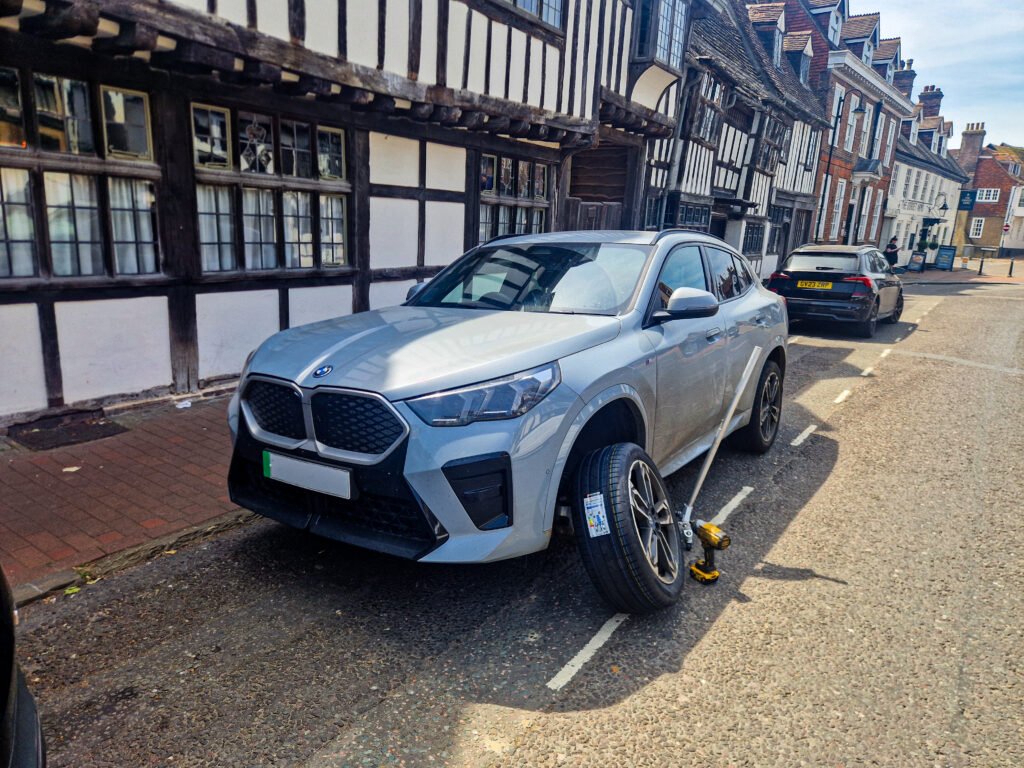
Prime Mobile Tyre Fitting brings the tyre shop to you across Surrey and West Sussex, whether you are at home, at work or stopped at the roadside. A technician can assess the damage, explain whether a repair is safe, fit a suitable replacement where needed and get you back on the road without the extra disruption of a garage visit.
A tyre does not need to be completely flat before it deserves attention. Check it before the next journey, act on the early warning signs and give yourself the best chance of arriving safely rather than dealing with a roadside emergency later.